
Chapter 4: Search Engine Optimization — Getting Found on Google
Chapter 4: Search Engine Optimization — Getting Found on Google
Your website is live, your brand is defined, and your audience is mapped out. Now comes the question every business owner eventually asks: "Why isn't anyone finding me?" The answer — and the solution — is Search Engine Optimization.
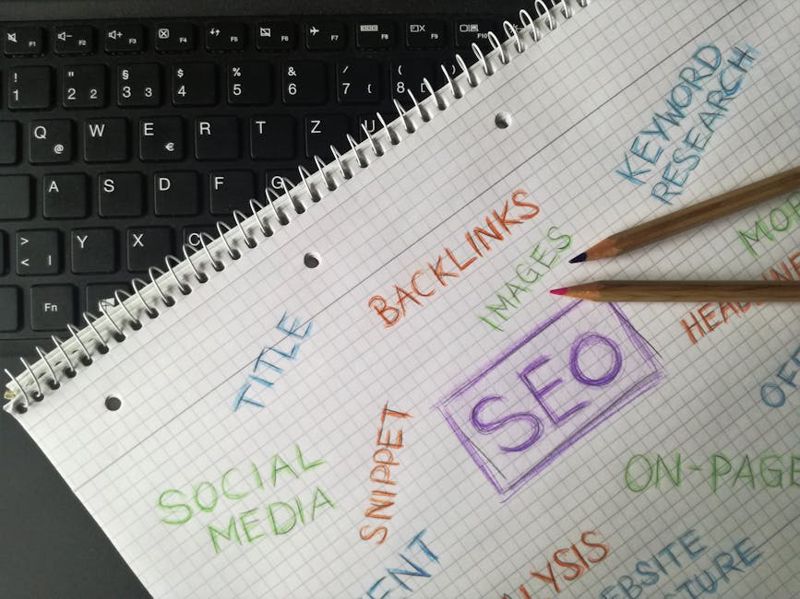
Search Engine Optimization, universally known as SEO, is the discipline of making your website visible to search engines like Google, Bing, and Yahoo — so that when someone types in a query related to your business, your page appears in the results. Done well, SEO is one of the most powerful and cost-effective marketing strategies available, delivering consistent, compounding traffic without the ongoing expense of paid advertising.
In this chapter, we break SEO down into its core pillars — how search engines work, keyword strategy, on-page optimization, technical SEO basics, and link building — giving you the foundational knowledge to either execute it yourself or confidently oversee a professional doing it for you.
How Search Engines Actually Work
Before you optimize, you need to understand what you are optimizing for.
Search engines operate through three core processes: crawling, indexing, and ranking. Understanding these three stages demystifies what can otherwise feel like a black box.
Crawling
Search engines deploy automated bots called "spiders" or "crawlers" that systematically browse the web by following links from page to page. They discover new content, revisit existing pages, and report back what they find.
Indexing
Once a page is crawled, its content is analyzed and stored in a massive database called the index. Think of it as the world's largest library card catalog — every indexed page is a card that can potentially be retrieved when someone searches.
Ranking
When a user submits a search query, Google's algorithm evaluates hundreds of signals to determine which indexed pages best answer that query — and in what order to display them. This is where your optimization effort directly pays off.
Why Google?
Google holds approximately 92% of the global search engine market share as of 2026. While you should not ignore Bing or other platforms entirely, optimizing for Google effectively means you are optimizing for the vast majority of your potential audience. Google's guidelines and best practices are the industry standard.
Keyword Research: The Compass of SEO
Keywords are the phrases people type into search engines. Choosing the right keywords is the single most important strategic decision in SEO — everything else is execution. Target the wrong keywords and you attract the wrong audience, or no audience at all.
Types of Keywords You Need to Know
Short-tail keywords are broad, high-volume terms like "marketing tips" or "online store." They attract massive traffic but are fiercely competitive — nearly impossible for new sites to rank for quickly.
Long-tail keywords are more specific phrases like "best email marketing tips for e-commerce startups" or "how to get more Instagram followers for a small bakery." They have lower search volume but significantly higher purchase intent and far less competition. For beginners, long-tail keywords are your fastest path to organic traffic.
Local keywords include geographic modifiers — "digital marketing agency in Denver" or "online marketing consultant near me." If your business serves a specific location, local keywords are non-negotiable.
Free Tools to Find Your Keywords
- Google Search Console — Shows what queries already bring people to your site (free, essential).
- Google Keyword Planner — Originally for paid ads, but reveals search volume and competition data.
- Ubersuggest — Provides keyword ideas, competition scores, and content suggestions for free tiers.
- AnswerThePublic — Visualizes questions and phrases people search around any topic.
- Google Autocomplete — Simply start typing a search in Google and note the suggestions that appear. These are real queries real people are making.
Pro Tip: Think Like Your Customer
The most effective keyword research starts not with a tool, but with empathy. Write down every question you have ever been asked by a customer. Every problem they come to you to solve. Every phrase they use — not the industry jargon you prefer, but the plain-language words they actually type. Then validate those phrases with the tools above.
On-Page SEO: Optimizing What You Control
On-page SEO refers to every optimization you make directly on your website. It is fully within your control and forms the backbone of your visibility.
Title Tags
The HTML title tag is the headline that appears as a clickable blue link in Google search results. It is one of the highest-impact on-page signals. Each page should have a unique title tag of 50–60 characters that naturally includes your primary keyword near the beginning. Example: "Small Business SEO Tips | Free Help Online Marketing"
Meta Descriptions
The meta description is the short summary that appears beneath the title in search results. While not a direct ranking factor, a compelling meta description dramatically improves click-through rates. Aim for 150–160 characters, include your keyword naturally, and write it like an ad — make the user want to click.
Heading Structure (H1–H6)
Every page should have exactly one H1 heading — this is your primary topic signal. Use H2s for major sections and H3s for sub-points. Work your target keywords naturally into headings. Avoid stuffing headers with keywords; Google is sophisticated enough to penalize unnatural writing.
Content Quality and Length
Google's algorithm prioritizes content that is comprehensive, accurate, and genuinely useful. For competitive keywords, pages with 1,500–2,500 words of high-quality content consistently outrank thin pages. Depth of coverage signals expertise. Write to fully answer the reader's question, not to hit a word count.
URL Structure and Internal Linking
URLs should be short, descriptive, and keyword-rich. Compare yoursite.com/p?id=4482 versus yoursite.com/seo-tips-for-small-business — the second signals content relevance to both Google and human readers. Hyphens separate words; underscores do not.
Internal linking — linking from one page on your site to another — helps Google understand your site's structure and distributes authority between pages. Every time you publish new content, look for opportunities to link to it from existing relevant pages.
Technical SEO: The Engine Under the Hood
Technical SEO covers the behind-the-scenes factors that affect how well search engines can crawl and index your site. You do not need to be a developer to understand these concepts — but you do need to ensure your site meets these basic standards.

Page Speed
Google uses page load speed as a direct ranking factor for both desktop and mobile searches. Use Google PageSpeed Insights (free) to score your site and receive specific recommendations. Compress images, leverage browser caching, and minimize unnecessary scripts. A site that loads in under 2.5 seconds is your target.
Mobile-First Indexing
Since 2024, Google indexes and ranks websites based primarily on their mobile version, not desktop. If your site is not fully responsive and easy to navigate on a smartphone, you are being penalized in rankings. Test your site using Google's Mobile-Friendly Test tool immediately.
HTTPS Security
An SSL certificate (indicated by the padlock icon and "https" in your URL) is a confirmed Google ranking signal and a trust signal for visitors. If your site still runs on plain HTTP, securing it with HTTPS is a non-negotiable priority — most hosts include free SSL certificates via Let's Encrypt.
XML Sitemap and Robots.txt
An XML sitemap is a file that lists all the pages on your website, making it easier for search engine crawlers to find and index your content. Submit your sitemap to Google Search Console. Your robots.txt file tells crawlers which pages NOT to index — useful for blocking admin areas or duplicate content.
Off-Page SEO: Building Authority Beyond Your Website
On-page SEO tells Google what your site is about. Off-page SEO tells Google how authoritative and trustworthy your site is. The primary currency of off-page authority is backlinks — links from other websites pointing to yours.
Think of backlinks as votes of confidence. When a credible, relevant website links to your content, Google interprets it as an endorsement. The more high-quality backlinks you earn, the more authority your domain accumulates, and the higher you rank.
Ethical Link-Building Strategies for Beginners
- Create link-worthy content — In-depth guides, original research, free tools, and comprehensive resource lists naturally attract links over time.
- Guest posting — Write valuable articles for other reputable websites in your industry in exchange for a backlink to your site.
- Business directory listings — Submit your business to Google Business Profile, Yelp, Bing Places, and industry-specific directories. These are foundational backlinks that also support local SEO.
- Local partnerships — Partner with complementary local businesses and organizations who will naturally link to you from their websites.
- PR and media outreach — When you have something newsworthy to share, reach out to journalists and bloggers. A single mention in a major publication can dramatically increase your domain authority.
Avoid Black-Hat Link Building
Purchasing links, participating in link farms, or using automated tools to build unnatural link profiles can result in Google penalties that devastate your rankings — sometimes permanently. The only sustainable SEO strategy is a legitimate one. If it feels like gaming the system, it probably is.
Chapter 4 Key Takeaway
SEO is not a one-time setup — it is an ongoing practice. Start with thorough keyword research to understand exactly what your audience is searching for. Optimize every page with clean title tags, structured headings, and genuinely useful content. Ensure your technical foundation is solid: fast, mobile-friendly, and secure. Then begin building your off-page authority through ethical link-building. SEO rewards patience and consistency above all else — businesses that commit to it long-term gain a compounding advantage that paid advertising simply cannot replicate.
Coming Up in Chapter 5
You now know how to get found — next, you'll learn how to stay top of mind.
In Chapter 5: Content Marketing — How to Attract, Educate, and Convert Your Audience, we dive deep into the strategy behind creating content that builds trust, drives organic traffic, and converts readers into loyal customers. We will cover blog strategy, content calendars, content formats, distribution tactics, and how to repurpose a single piece of content across multiple channels for maximum return on your time investment.
Continue to Chapter 5Need Help With Your SEO Strategy?
Our team of online marketing professionals has helped hundreds of small businesses climb the search rankings and attract consistent organic traffic. Book a consultation and let us map out an SEO roadmap tailored to your business.
Book a Free Consultation