
Chapter 3: Building Your Online Presence — Your Website, Brand, and Digital Foundation
Chapter 3: Building Your Online Presence
Your Website, Brand, and Digital Foundation — The Infrastructure Every Successful Online Business Is Built On
In Chapter 1, you learned what online marketing is and why it is non-negotiable in today's business landscape. In Chapter 2, you built a detailed picture of your ideal customer — who they are, what they want, and how they think. Now it is time to build the home base where all of your marketing efforts will live and breathe: your online presence.
This is not simply about having a website. Your online presence is the full digital footprint of your brand — your website, your visual identity, your tone of voice, your social profiles, your listings, and the experience people have every single time they interact with you online. Get this foundation right, and every marketing strategy you layer on top of it becomes dramatically more effective. Get it wrong, and even the best campaigns will leak leads like a broken bucket.
Let's build it right.
Why Your Digital Foundation Is Your Most Important Marketing Asset
Before you run a single ad or post a single piece of content, this must be solid.
Think of your online presence as a physical storefront. If a customer walks past a shop with a faded sign, cluttered windows, and no clear indication of what's sold inside, they keep walking. The same principle applies online — and online, your competition is just one click away.
Studies consistently show that 75% of consumers judge a business's credibility based on its website design alone. First impressions happen in under 50 milliseconds. That is faster than a blink. In that fraction of a second, a visitor decides whether to stay or leave — and that decision is almost entirely driven by your digital foundation.
The Foundation Principle
Your digital foundation is not just about looking professional. It is about building trust systematically — through every color choice, every headline, every page load speed, and every piece of content. Trust converts browsers into buyers.
The Four Pillars of a Strong Online Presence
Master these four areas and you will be miles ahead of most small businesses online.
1. Your Website
Your website is your digital headquarters — the one online property you fully own and control. Unlike social platforms, no algorithm can take it away from you overnight.
2. Your Brand Identity
Your logo, color palette, typography, and visual style signal who you are before a single word is read. Consistency here builds powerful recognition over time.
3. Your Brand Voice
How you write, the words you choose, the tone you take — these define your personality online. A consistent voice builds familiarity and trust across every channel.
4. Your Digital Listings
Google Business Profile, Yelp, industry directories, and social profiles extend your reach far beyond your website and improve your local and organic search visibility.
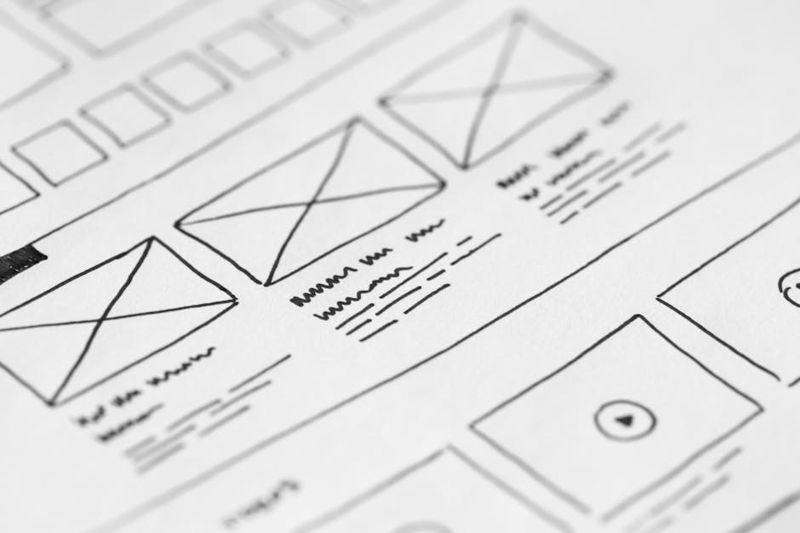
Building a Website That Actually Works
Not all websites are equal. A website that sits online doing nothing is worse than useless — it creates a false sense of security that your online marketing is "handled." A website that works is one engineered to attract, engage, and convert.
The Non-Negotiables of an Effective Business Website
- Mobile-first design: Over 60% of web traffic is on mobile devices. If your site does not look and function perfectly on a smartphone, you are losing more than half your potential customers before they even read your headline.
- Fast load speeds: Google and your visitors both punish slow sites. A one-second delay in page load time reduces conversions by up to 7%. Aim for under 3 seconds on all devices.
- Clear navigation: Visitors should never have to guess where to go. Your navigation should be simple, logical, and guide users toward a clear next action.
- Compelling above-the-fold content: The area visible before scrolling must immediately communicate who you are, what you offer, and why the visitor should care. This is prime real estate — use it strategically.
- Strong calls-to-action (CTAs): Every page should have a clear, specific action you want the visitor to take — whether that is booking a call, signing up for a newsletter, or making a purchase.
- Trust signals: Testimonials, reviews, certifications, client logos, and case studies lower the psychological barrier to taking action. Include them prominently.
- SSL certificate: The padlock icon in the browser bar is not optional. Without HTTPS, browsers warn visitors your site is insecure — a credibility killer.
Choosing the Right Platform for Your Website
One of the most common questions we hear from small business owners and side hustle starters is: "What platform should I build my website on?" The honest answer is: it depends on your goals, budget, and technical comfort level.
WordPress
Best for: Blogs, content-heavy sites, businesses needing flexibility and scalability.
Powers over 43% of all websites on the internet. Incredibly flexible with thousands of plugins and themes, but requires some technical management.
Shopify
Best for: E-commerce startups and online stores of all sizes.
Purpose-built for selling online. Handles payments, inventory, and shipping integrations seamlessly. Less flexible for non-commerce content but excellent for its primary purpose.
Squarespace / Wix
Best for: Small businesses, service providers, and creatives wanting a polished site without technical overhead.
Drag-and-drop builders that make professional design accessible. Easier to manage but with less customization depth than WordPress.
Platform Trap Warning
Do not spend months agonizing over platform choice. A good website on any platform beats a perfect website that never launches. Pick the best fit for your needs today and build. You can always migrate later when your business grows and your requirements change.
Crafting a Brand Identity That Sticks
Your brand identity is more than a logo. It is the complete visual and emotional language of your business. When done well, it makes you instantly recognizable and subconsciously trustworthy — even to people who have never consciously registered your brand name.

Core Brand Identity Elements
Logo: Should be simple, scalable (readable at any size), and memorable. Avoid trendy styles that will look dated in three years. Timeless beats fashionable.
Color Palette: Choose 2-3 primary colors and 1-2 accent colors. Colors carry psychological weight — blues convey trust, greens suggest growth, oranges signal energy. Choose intentionally based on the emotions you want your brand to trigger.
Typography: Select two typefaces maximum — one for headings, one for body text. Consistency in typography is one of the most overlooked drivers of perceived professionalism.
Imagery Style: Define the visual style of photos and graphics you use. High-energy and dynamic? Calm and aspirational? Authentic and candid? Consistency in imagery style is what makes a brand look cohesive across platforms.
Free Brand Consistency Tool
Create a simple one-page Brand Style Guide document that lists your exact brand colors (hex codes), fonts, and logo usage rules. Share it with anyone who creates content for your business. This single document prevents the brand dilution that slowly erodes trust over time.
Defining and Maintaining Your Brand Voice
Your brand voice is the personality that comes through in every word you write — your website copy, social posts, email newsletters, and customer responses. It is one of the most powerful differentiators available to any business, and most small businesses completely ignore it.
Your brand voice should be informed directly by the audience research you completed in Chapter 2. If your target audience is young ecommerce entrepreneurs, a formal corporate tone will disconnect you from them immediately. If you are serving established business owners, an overly casual or slang-heavy voice may undermine your credibility.
- Write your voice in three adjectives (e.g., "authoritative, approachable, practical") and test every piece of content against them
- Avoid jargon unless your audience lives and breathes it
- Use "you" to speak directly to the reader — it creates immediate connection
- Maintain the same voice across every channel — consistency is what makes it feel like a real brand
- Write the way your best customer talks, not the way you think a business "should" sound
Completing Your Digital Footprint Beyond Your Website
Your website is your headquarters, but your digital footprint extends far beyond it. Claiming and optimizing your business listings and social profiles is a critical part of building a complete online presence — and it directly impacts how easily new customers can find you.
Priority Listings to Claim Immediately
Google Business Profile
Non-negotiable for any business. A fully optimized Google Business Profile dramatically improves local search visibility, displays your reviews, and provides key information directly in search results — before visitors even reach your website.
Social Media Profiles
Claim your business name on the major platforms relevant to your audience — even if you are not actively using them yet. Squatting on your own brand name prevents confusion and protects your identity as you grow.
Industry Directories
Depending on your niche, listings on sites like Yelp, Clutch, Trustpilot, or industry-specific directories provide additional trust signals and valuable backlinks that support your search engine rankings.
Professional Email Address
A branded email address (you@yourbusiness.com) is a foundational credibility signal. Free Gmail or Yahoo addresses undermine trust immediately. This is a five-minute, low-cost fix with an outsized impact on perception.
Chapter 3 Key Takeaway
Your digital foundation — your website, brand identity, voice, and listings — is the infrastructure that makes every other marketing effort more effective. Invest the time to build it thoughtfully before scaling your marketing spend. A strong foundation does not just support your growth; it accelerates it. Every dollar you spend on marketing returns more when it is sending traffic to a professional, trust-building online presence.
Chapter Checklist: Your Online Presence Foundation
- Website is mobile-responsive and loads in under 3 seconds
- Every page has a clear, specific call-to-action
- SSL certificate is active (https:// in your URL)
- Brand colors, fonts, and logo are documented in a style guide
- Brand voice is defined in 3 descriptive adjectives
- Google Business Profile is claimed and fully completed
- Business name is claimed on major social platforms
- Professional branded email address is in use
Coming Up in Chapter 4
With your foundation firmly in place, Chapter 4 moves into one of the most powerful — and most misunderstood — tools in the online marketing arsenal: Search Engine Optimization (SEO).
You will learn how search engines actually work, why SEO is a long-term asset that compounds in value over time, and the specific on-page and off-page techniques that will help your business rank higher in Google search results. We will walk through keyword research, content optimization, and the technical basics that every small business owner needs to understand — no advanced technical knowledge required.
Chapter 4 is where your new online presence starts attracting organic traffic on autopilot.
Need Help Building Your Online Presence?
Our team of experienced online marketing professionals can audit your current digital foundation and build a roadmap to a high-converting online presence — tailored to your business and your budget.
Book a Free Consultation